Artistry and Elegance: The Art of the Royal Jewelry Collection
Royal collection jewelry embodies a combination of artistry and grandeur. Every piece displays meticulous techniques such as filigree and enameling, reflecting the skill of dedicated artisans. Legendary gemstones such as the Koh-i-Noor diamond bear profound historical stories. This elegance and artistry not only highlight the grandeur of monarchy but also influence contemporary trends. As one uncovers the fascinating histories behind these precious items, the deeper connections to culture and heritage become increasingly apparent.
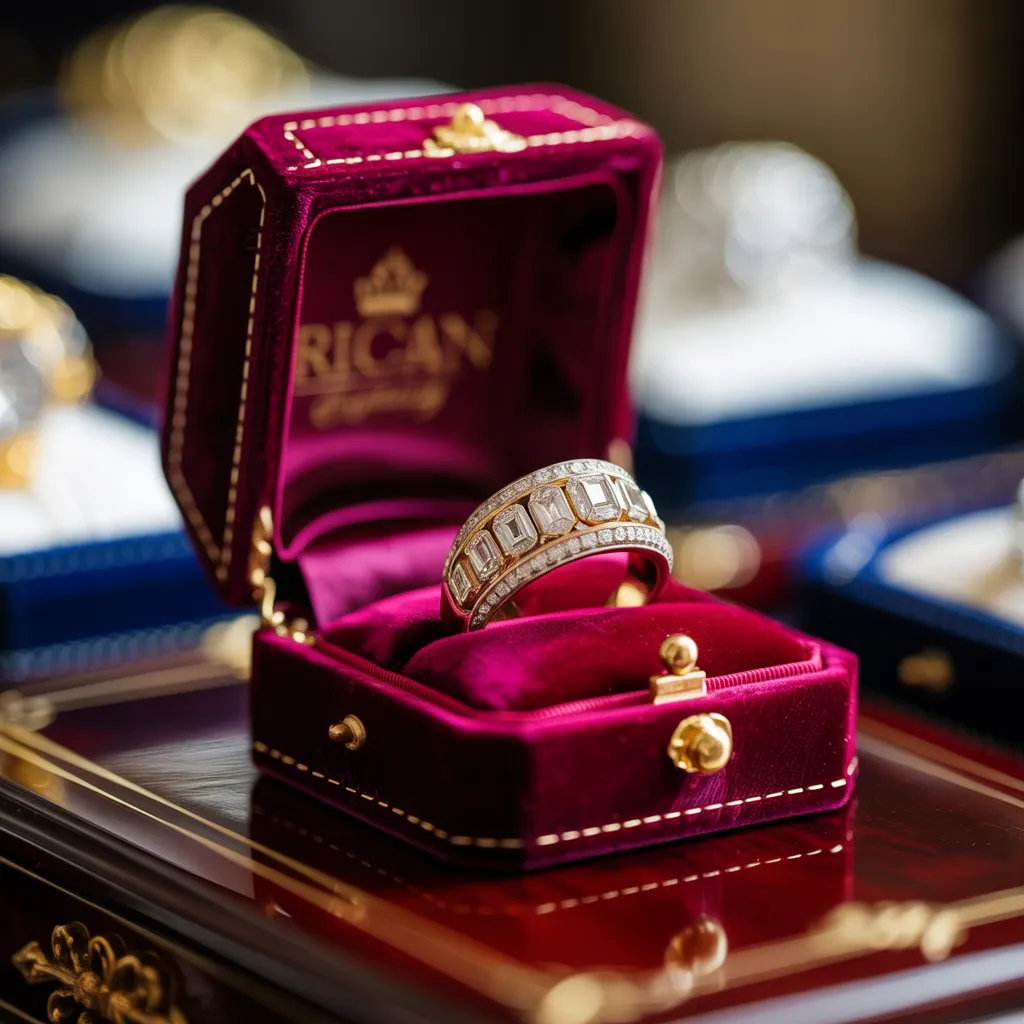
The Rich History Behind Royal Collection Jewelry
The history of Royal Collection Jewelry is as complex as the artifacts themselves, embodying centuries of monarchical patronage and artistic excellence. Dating back to the early modern age, these pieces were frequently requested by royalty to represent authority, prosperity, and prestige. Each artifact conveys a narrative, weaving together momentous historical occasions and the lives of notable figures.
The collection has transformed through dynastic changes, incorporating influences from diverse cultures and artistic movements. Remarkable gemstones, including diamonds and emeralds, have been carefully set in designs that span from the lavish to the refined, reflecting the breadth of royal preferences.
The Royal Collection Jewelry has served not only as decoration but also as tokens of diplomacy, representing cultural alliances and historic heritage. Today, these remarkable treasures remain carefully preserved, offering a look into the splendor of regal history and the lasting legacy of artisanship that distinguishes the collection.
Masterful Techniques in Royal Collection Jewelry Craftsmanship
Craftsmanship in Royal Collection Jewelry displays an impressive array of exceptional techniques that have been refined over centuries. Every creation is a testament of the artisans' passion, employing methods such as enameling, filigree, and granulation. Filigree, defined by fine, lace-resembling motifs, emphasizes detailed metalwork that creates texture and visual complexity. Granulation encompasses the careful application of tiny metal spheres, forming breathtaking designs that enhance visual appeal.
In addition, the art of enameling introduces striking and lively hues, enabling artistic creativity while guaranteeing long-lasting quality. The craftsmanship often employs traditional hand-tooling methods, that lend a distinctive personality to every piece. These techniques are complemented by modern innovations that enhance precision without compromising the artistry. Taken together, the meticulous attention to detail and the blend of historical and contemporary methods exemplify the enduring legacy of Royal Collection Jewelry craftsmanship, transforming every item into more than an ornament, but a true artistic masterpiece.
Iconic Gemstones in Royal Collection Jewelry: What Makes Them Special?
Distinguished gemstones in Royal Collection Jewelry are remarkable not only for their rarity but also for the narratives they embody. Each stone is steeped in history, often linked to notable royal milestones or notable figures. For instance, the Cambridge Emeralds, a stunning set of emeralds historically bestowed upon Queen Mary, embody royal ancestry and the march of time. In the same way, the Koh-i-Noor diamond, with its complex past, has captivated generations, symbolizing authority and grandeur.
These precious stones are not simply ornamental; they also serve as emblems of wealth and status. Their unique colors, sizes, and cuts enhance their allure, establishing them as deeply desired jewels. The precise artistry that complements these gems further amplifies their importance, as craftsmen thoughtfully create mounts that highlight their inherent splendor. Combined, these celebrated gems add to a tale of lineage, artisanship, and the lasting legacy of sovereign history.
How Royalty Influences Contemporary Jewelry Trends
Royalty has long been a hallmark of enduring grace, influencing contemporary jewelry design. Contemporary fashion frequently takes its cues from the intricate styles and rich symbolism associated with royal heritage. As a result, present-day styles capture a harmony of classical tradition and fresh innovation, echoing the grandeur of past monarchies.
Classic Grace in Design
Jewelry, often seen as a mirror of cultural identity and social standing, is profoundly influenced by the royal traditions. The elegance inherent in royal jewelry designs demonstrates a excellence in craftsmanship that endures through the ages. Iconic pieces, marked by their intricate settings and unique gemstones, inspire contemporary artisans striving for elegance. The royal affinity for timeless motifs, such as botanical designs and majestic color schemes, persistently influences current artistic sensibilities. This timeless charm emphasizes enduring quality over passing trends, steering artisans toward timeless elegance. As royal collections are showcased in curated exhibitions and notable occasions, they reinforce the connection between tradition and present-day aesthetics. The result is a design landscape enhanced by rich history, where the influence of royalty endures as a foundation of artistry.
Influencing Modern Fashion Choices
In what ways do the selections of royal figures shape the trends observed in contemporary jewelry design? Members of royalty frequently act as trendsetters, with their choices significantly influencing public preferences. Once royal family members are seen wearing particular pieces, like tiaras or bold earrings, those items quickly become highly sought-after trends. Designers closely observe royal appearances, adapting their collections to reflect these high-profile choices, thereby bridging the gap between tradition and contemporary fashion. Additionally, the media amplifies these influences, creating a buzz that propels royal-inspired pieces into mainstream fashion. By championing timeless styles and distinctive gemstones, royals pay tribute to tradition while encouraging younger generations to incorporate and reinterpret these lavish elements into their everyday looks, influencing the evolution of contemporary jewelry.
Significance of Royal Heritage
Sophistication frequently captures the deep essence of noble tradition, impacting current jewelry movements in meaningful ways. Royal figures have traditionally embodied authority and distinction, inspiring modern designers to incorporate elements that reflect this legacy. Classic emblems, like crowns, crests, and refined filigree, inspire a sense of splendor, appealing to consumers seeking to emulate royal elegance. Additionally, the use of specific gemstones—like sapphires and emeralds—carries historical significance, commonly connected to aristocracy and preservation. This tie to legacy not only strengthens the artistic allure of jewelry but also imbues it with history and significance. As a result, today's jewelry reflects a blend of tradition and innovation, connecting with individuals who value the charm of regal workmanship.
Curating and Maintaining Royal Collection Jewelry
Surrounding elements, such as light, temperature, and humidity, are precisely regulated inside display cases to prevent deterioration. Regular cleaning and restoration by expert craftsmen also serve a crucial function in maintaining these treasures.
Additionally, educational engagement is vital; curators often develop exhibitions that highlight the skill and artistry behind every individual item. This not only nurtures public admiration but also underscores the critical need to protect these heritage pieces for posterity. Essentially, the curation of royal jewelry collections represents a careful equilibrium between stewardship and heritage celebration.
Cultural Significance of Royal Collection Jewelry
Royal Collection Jewelry represents not only remarkable craftsmanship but also deep cultural meaning. Each jewel acts as a physical embodiment of culture, politics, and societal principles, frequently mirroring the period of its creation. These remarkable gems have decorated royalty and prominent figures, symbolizing power and prestige while connecting generations to their heritage.
Moreover, the collection's elaborate designs frequently draw inspiration from cultural motifs, highlighting the artistry of various traditions. This positions Royal Collection Jewelry an essential tie to national identity and pride. Furthermore, these pieces commonly include gems and resources obtained from different parts of the world, highlighting the unity of cultures across history.
Within ceremonial settings, such pieces hold a significant place, honoring significant occasions and milestones. Therefore, Royal Collection Jewelry transcends mere adornment, capturing histories, traditions, and the lasting legacy of the distinguished royal lineage it symbolizes.
Investing in Royal Jewelry: A Collector's Guide
Purchasing royal jewelry offers collectors a unique opportunity to own pieces filled with historical significance and value. Understanding the importance of authenticity is crucial, as is knowing the appraisal process to ensure a wise investment. This guide will explore these critical elements to aid prospective buyers in reaching informed conclusions.
Historical Relevance and Significance
While many collectors are drawn to the appeal of royal jewels, grasping its historical relevance and value necessitates a discerning eye and knowledgeable viewpoint. Every item frequently embodies a distinct story, representing the era and culture in which it was created. Regal jewels commonly showcase elaborate artisanship, employing precious materials that not only elevate its visual beauty but also add to its investment value. Throughout history, these pieces have served as emblems of authority, standing, and heritage, making them desirable for collectors seeking to preserve heritage. The provenance of each piece can greatly influence its market value, since verified records can establish their genuineness and significance. As a result, royal jewels function as both a concrete investment and an expression of artistic heritage.
Authenticity and Appraisal Tips
Maneuvering through the world of regal jewels requires a thoughtful approach to authenticity and appraisal. Collectors should begin by researching the origin of each piece, verifying its history and connection to royal figures. Proper documentation, such as authenticity certificates, is fundamental to verifying legitimacy. Engaging the services of a qualified appraiser with expertise in royal jewelry can further provide reliable appraisal. Collectors should also familiarize themselves with the distinctive hallmarks and craftsmanship of various historical eras. Additionally, attending reputable auctions and exhibitions can provide insight into market trends. In the end, a thorough commitment to authenticity and appraisal safeguards investments while deepening one's admiration for these remarkable pieces.
Questions We Often Receive
How Can I Identify Authentic Royal Collection Jewelry
To authenticate authentic jewelry from the royal collection, it is important to inspect the hallmark carefully, validate provenance with established dealers, and appraise the overall craftsmanship. Moreover, consulting expert appraisers can give greater certainty of value and legitimacy.
Are There Replicas of Royal Collection Pieces Available?
Yes, reproductions of royal collection items are accessible in many marketplaces. Although these pieces may imitate original designs and styles, original pieces hold distinctive qualities and historical provenance that differentiate them from these replicas. For collectors, authenticity continues to be of utmost importance.
What Are the Most Famous Royal Jewelry Thefts?
Well-known thefts of royal jewelry consist of the 1911 theft of the royal Crown Jewels from the historic Tower of London and the 2015 heist at the Hatton Garden safe deposit company, which targeted precious royal items alongside other valuables.
How Is Royal Jewelry Kept and Exhibited?
Fine royal jewelry is generally kept in safe, climate-monitored storage vaults, offering defense from deterioration and unauthorized access. Showcased in galleries or exhibitions, pieces are often showcased inside protective glass enclosures, emphasizing their rich heritage and remarkable artistry.
What Occasions Commonly Showcase Royal Collection Jewelry?
Royal collection jewelry is commonly showcased prominently during state banquets, official ceremonies, and royal weddings. Moreover, it can be seen at significant national celebrations and state visits, highlighting the historical significance and prestige connected to the royal family.
Conclusion
In conclusion, royal collection jewelry epitomizes the blend of artistry and history, with its remarkable craftsmanship and celebrated gemstones conveying stories of power and prestige. As the heritage of these magnificent pieces continues to shape modern trends, their cultural impact remains far-reaching. Collectors and admirers alike are captivated by consult now the stories woven into each creation, ensuring that the allure of royal jewelry endures, surpassing time and motivating generations to cherish the splendor of this magnificent heritage.