Royal Collection Jewellery Trends: What's Hot and What's Not
The domain of fine royal jewelry is undergoing a notable transformation. Dramatic statement accessories adorned with oversized gemstones are emerging as favorites. In contrast, traditional designs are giving way to simple designs that celebrate sophistication. This change mirrors an increasing demand for personal expression in jewelry. As styles progress, recognizing what endures and what diminishes in popularity grows increasingly important. The upcoming section will examine these fascinating trends in greater detail.
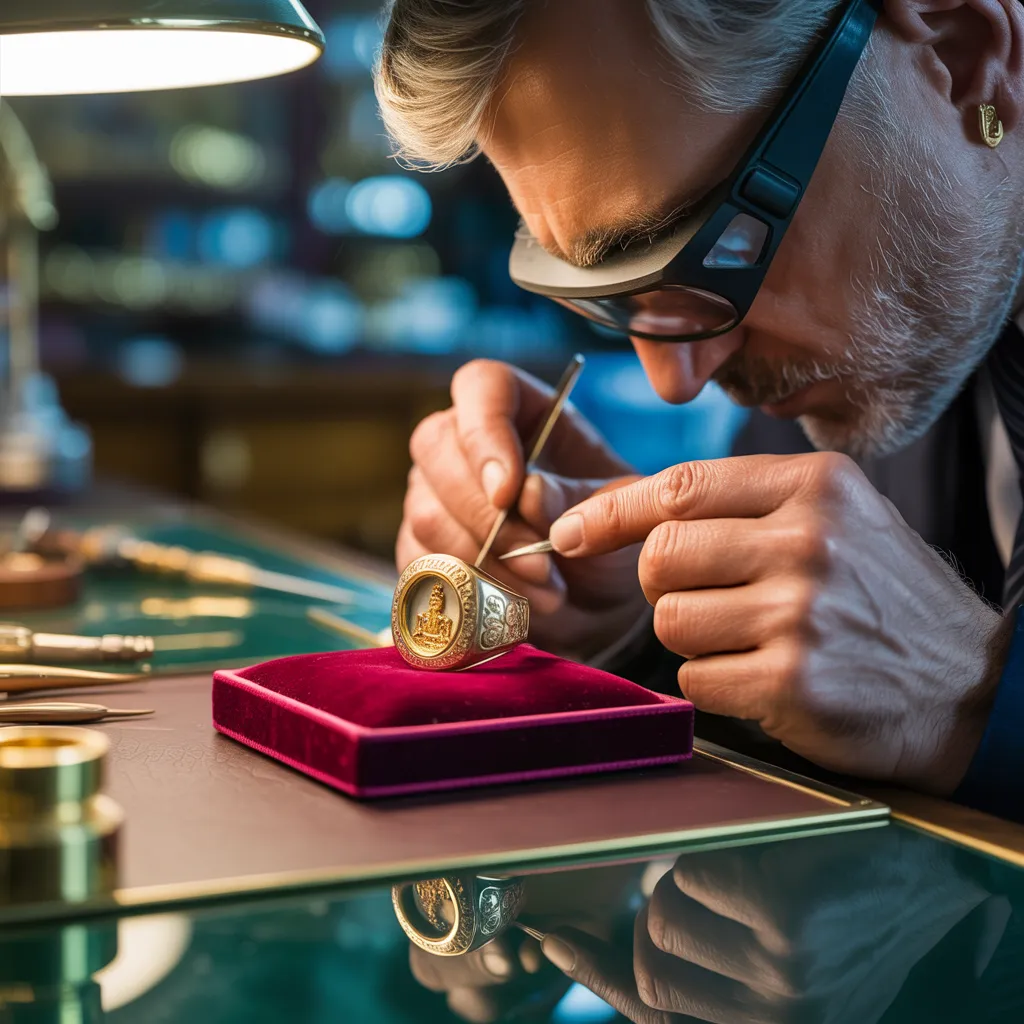
The Fascination of Royal Jewelry
The skill demonstrated in creating such jewelry is extraordinary, showcasing outstanding craftsmanship that has developed over centuries. Traditional techniques, paired with modern innovations, ensure these creations continue to resonate in contemporary fashion.
Regal adornments frequently showcases iconic designs, like brooches and tiaras, which serve as emblems of status and identity. As the public's captivation with royalty endures, the charm of these magnificent jewels remains an inspiration for jewelry enthusiasts and collectors alike, strengthening the timeless charm of royal heritage in the world of adornment.
Standout Statement Pieces in Royal Jewelry: What's Trending Now
Striking statement jewelry have been steadily taking over the domain of royal adornment, capturing the attention of fashion aficionados and collectors alike. Such striking pieces commonly display oversized gemstones, intricate designs, and bold colors, distinguishing them from classic, subtle designs. Royal figures are welcoming this style, presenting oversized brooches, dramatic earrings, and distinctive necklaces during public appearances and events.
Materials including striking jewels, golden accents, and also non-traditional elements like fabric and feathers are being utilized to craft striking visual statements. This transition to bolder choices reflects a broader cultural trend that honors self-expression and individuality. Moreover, digital media channels amplify these trends, enabling members of royalty to connect with a new generation eager to adopt the elegance of royal style.
As these distinctive statement pieces grow in popularity, they redefine the standards of royal adornment, symbolizing a contemporary vision of regal sophistication that is both daring and accessible.
Subtle Sophistication: Notable Examples of Royal Jewelry
Understated elegance commonly shapes the jewel preferences of the royal family, showcasing a discerning eye that transcends trends. Timeless pearl necklaces, timeless diamond earrings, and understated gold bracelets exemplify this aesthetic, providing a quiet elegance. These pieces serve to elevate royal attire but also emphasize the enduring appeal of understated beauty in precious adornments.
Classic Pearl Necklaces
While jewelry trends are constantly evolving, pearl necklaces stand as a symbol of enduring elegance, particularly within royal households. Their timeless charm spans generations, making them a staple in royal collections. Prime examples include Queen Elizabeth II's iconic three-strand pearl necklace, often worn during state occasions, highlighting the flexibility of pearls in both formal and everyday settings. In the same vein, the late Princess Diana frequently adorned herself with elegant pearl pieces, elevating her refined style. The understated beauty of these necklaces complements a variety of outfits, highlighting elegance without overpowering the wearer. As fashion evolves, the timeless allure of pearl necklaces persists, establishing their significance in royal jewelry traditions and beyond.
Timeless Diamond Studs
Classic diamond earrings are an essential accessory, embodying a refined simplicity that attracts both casual wearers and royalty alike. These classic pieces have decorated the ears of many notable royals, representing timeless sophistication. Notably, members of the British royal family have frequently been spotted wearing their own versions, highlighting the adaptability of this timeless style. The enduring charm of diamond studs lies in their ability to complement a wide range of outfits, spanning casual to formal occasions. Their brilliance and craftsmanship highlight the wearer's sophistication without overwhelming the ensemble. As fashion trends evolve, diamond studs persist as a dependable option, proving that select styles are truly everlasting, surpassing generations and establishing a benchmark for graceful adornment.
Classic Gold Bangles
Simple gold bangles capture the elegance of simplicity, drawing admiration through their clean lines and gentle luster. In royal collections, such items commonly stand as examples of restrained sophistication. Notable figures like Queen Letizia of Spain have been observed adorning themselves with slender, refined bangles that enhance without dominating their ensembles. These ornaments display impressive flexibility, transitioning seamlessly between relaxed daily looks and sophisticated evening wear. The minimalist aesthetic resonates with contemporary trends, appealing to those who favor a refined yet modern look. As style continues to develop, these bangles persist as a cornerstone piece, representing an enduring charm that spans across eras. Their lasting prominence underscores a transition to more intimate style expressions within royal adornment choices.
Classic Jewelry Designs That Stay Relevant Today
When considering the timeless allure of jewelry, some styles continually emerge for their enduring grace and adaptability. Traditional pearl necklaces, for instance, have stayed a cornerstone in casual and formal occasions alike, representing elegance and refinement. In the same way, diamond stud accessories present an understated yet elegant way to elevate any ensemble, demonstrating their value as an indispensable accessory.
Furthermore, the charm of gold chains persists, whether worn on their own or stacked for a stylish twist. These pieces not only enhance various styles but also transcend trends, making them a sound investment. Classically-inspired designs, such as Art Deco rings, remain fascinating to those seeking distinctive statements while paying homage to the past.
In essence, these iconic jewelry styles reflect a ideal blend of the traditional and the modern, ensuring their place in the hearts of fashion admirers for generations to come.
Heritage-Driven Jewelry Aesthetics
How do jewelry styles rooted in heritage traditions preserve cultural narratives while connecting with modern tastes? These works commonly derive inspiration from historical motifs, shaping pieces that convey stories of their heritage while aligning with current aesthetic sensibilities. Utilizing traditional techniques and materials, they blend craftsmanship with innovation, showcasing intricate patterns and symbolic elements that reflect diverse cultural heritages.
Such styles often incorporate antique stones or handcrafted techniques, amplifying their originality and charm. The renewed fascination with these items arises from a wish to embrace one's roots, permitting collectors to commemorate their lineage or life story. Furthermore, heritage-inspired jewelry fosters a sense of belonging and identity, making it particularly appealing in today's globalized world. As the fashion industry continues to prioritize eco-conscious values, these enduring styles connect with shoppers searching for purposeful accessories that outlast passing style movements, reflecting both timeless sentiment and refined modern style.
What to Expect in Royal Jewelry Trends This Coming Season
With royal jewelry continuing to develop, next season delivers a thrilling combination of grandeur and modern aesthetics. Rising fashion movements point to a shift towards daring, distinctive pieces that showcase personal expression while preserving classic sophistication. Look forward to an influx of large-scale precious stones, especially richly hued stones including emeralds and sapphires, elegantly placed in intricate, contemporary designs.
Layering will also take center stage, with royals championing the art of combining various rings, necklaces, and bracelets for a unique personal flair. Sustainability is increasingly coming to the forefront, with an expanding range of pieces featuring ethically sourced materials and vintage designs reinterpreted for the modern aesthetic.
Furthermore, asymmetrical aesthetics are rising to prominence, providing a modern perspective on timeless styles. During this season, royal jewelry is set to not only celebrate heritage but also redefine luxury with innovative craftsmanship, creating a captivating experience for enthusiasts and collectors alike.
Declining Trends in Royal Jewelry?
As trends in the jewelry world shift, particular royal aesthetics are falling out of favor. The formerly popular vintage renaissance is diminishing, while overly ornate designs are increasingly seen as outdated. This shift suggests a move towards more minimalist and check this resource contemporary aesthetics in royal adornments.
Vintage Revival Decline
While vintage jewelry has long captivated enthusiasts and collectors alike, new findings point to a reduction in its prominence, particularly within royal circles. Previously a fundamental element of royal collections, pieces inspired by bygone eras are now being overshadowed by contemporary designs. The change embodies a larger transition to current design sensibilities that prioritize simplicity and minimalism, attracting the interest of younger audiences.
As royals carefully craft their public identities, they increasingly favor items that reflect modern fashion sensibilities over heritage-inspired pieces. This shift reflects a drive for change in royal jewelry, departing from the elaborate features of vintage pieces. As a result, the charm of nostalgic revivals may be waning, representing a notable shift in the adornment choices of modern royals.
Overly Decorative Styles Removed
The move away from antique jewelry has coincided with a wider turning away from overly ornate styles across royal circles. In recent years, individuals within royal families have moved towards more understated and minimalist designs, demonstrating a preference for refined elegance over extravagance. This trend marks a clear distinction from the elaborate, ornate pieces that once dominated royal jewelry collections. Clean silhouettes, delicate gemstones, and simple lines are now favored, prioritizing artistry over extravagance. This transformation indicates a broader movement towards contemporary sensibilities and practicality, as members of royal families aim to align with modern design sensibilities. The preference for refined elegance over elaborate ornamentation reflects an progressive stance on tradition, connecting royal adornments with contemporary values while continuing to respect historical traditions.
Questions We Often Receive
What Methods Are Typically Used to Appraise Royal Jewelry for Value?
Fine royal jewelry undergoes value assessment by means of skilled appraisals considering factors such as historical significance, craftsmanship, gemstone quality, and market demand. Qualified valuation experts frequently utilize comprehensive evaluation methods and analytical techniques to arrive at an accurate assessment of value.
What Materials Are Commonly Used in Royal Jewelry Designs?
Royal jewelry designs traditionally include luxury metals like platinum and gold, as well as precious stones such as diamonds, rubies, sapphires, and emeralds. Such materials are selected for their beauty, rarity, and cultural importance in royal traditions.
How Do Royals Choose Jewelry for Public Appearances?
Members of royal families select accessories for public appearances based on occasion, historical significance, and personal preference. They often choose pieces representing cultural heritage or royal tradition, making certain their choices project sophistication while honoring their standing and individual aesthetic.
Are There Any Famous Royal Jewelry Heists in History?
Over the course of history, numerous well-known royal jewel thefts have been recorded, including the 1911 theft of the iconic Crown Jewels from the historic Tower of London and the 2003 theft of the royal jewels in the German state, highlighting the vulnerability of such treasures.
In What Ways Does Cultural Heritage Shape Royal Jewelry?
Cultural traditions greatly impact royal jewelry, symbolizing history, identity, and tradition. Each item commonly demonstrates the craftsmanship and creativity of its time, functioning as a meaningful bond with the past and a testament to cultural heritage.
In Conclusion
In summary, the evolution of royal jewelry styles showcases a remarkable blend of daring statement jewels and understated elegance. As personal expression and minimalist sensibilities rise in importance, the shift away from vintage styles mirrors general societal tendencies for practicality and craftsmanship. The future offers exciting developments, as traditional designs and modern innovations persistently influence the royal jewelry scene, guaranteeing its continued relevance in present-day fashion. The charm of royal ornaments continues, evolving with the sensibilities of a younger generation.